Pipe ramming for tough ground conditions across New Zealand
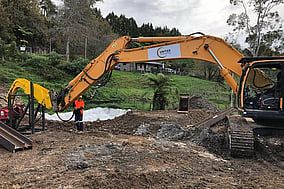
Pipe ramming is a fast, effective method for installing steel or concrete pipes through the ground using percussive force. It’s ideal for short crossings under roads, rail, or embankments where other methods aren’t practical.
This is the kind of work where things can get tough — and where we’re right at home. At United Tunneling, we use pipe ramming to get through difficult ground conditions quickly and reliably, delivering solid results on jobs others would rather avoid.
How pipe ramming works
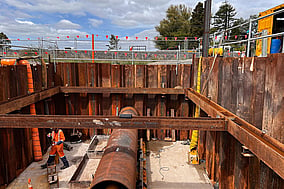
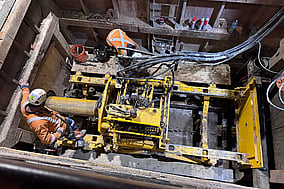
Pipe ramming is a trenchless installation method that uses percussive force to drive steel or concrete pipes through the ground. The pipe is driven forward in short, powerful impacts from a launch pit, making it effective for short crossings in tough or compact ground conditions.
It is a simple, robust method often used where other trenchless techniques are not practical.
Short road crossings
Ideal for installing pipes under roads with minimal surface disruption.
Rail and embankment crossings
Used for crossing rail corridors and compacted ground where access is limited.
Tough ground conditions
Effective in soils where other trenchless methods may not be suitable.
Quick installation works
Suitable for short-duration projects where efficiency is key.
Steel and concrete pipe installation
Commonly used for robust pipe materials requiring strong installation force.
Restricted access sites
Works well in tight environments where traditional excavation isn’t possible.
Benefits of pipe ramming


Tough jobs, done well.
Pipe ramming – what you need to know
What is pipe ramming used for?
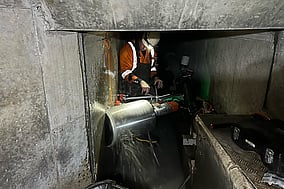
Pipe ramming is used to install steel or concrete pipes underground, typically for short crossings under roads, rail, or embankments.
When is pipe ramming the right choice?
It’s a good option for short, straight runs where ground conditions are tough or other trenchless methods aren’t practical.
Can pipe ramming be used under roads or rail?
Yes, it’s commonly used for crossings beneath roads and rail lines without needing to dig up the surface.
What ground conditions does it work in?
Pipe ramming works well in compact or difficult ground where other methods may struggle.
How accurate is pipe ramming?
It’s less precise than methods like microtunneling, but it’s reliable for shorter runs where exact alignment isn’t as critical.
Got a tricky underground job coming up?
We’re here to answer your questions and get things drilling.